


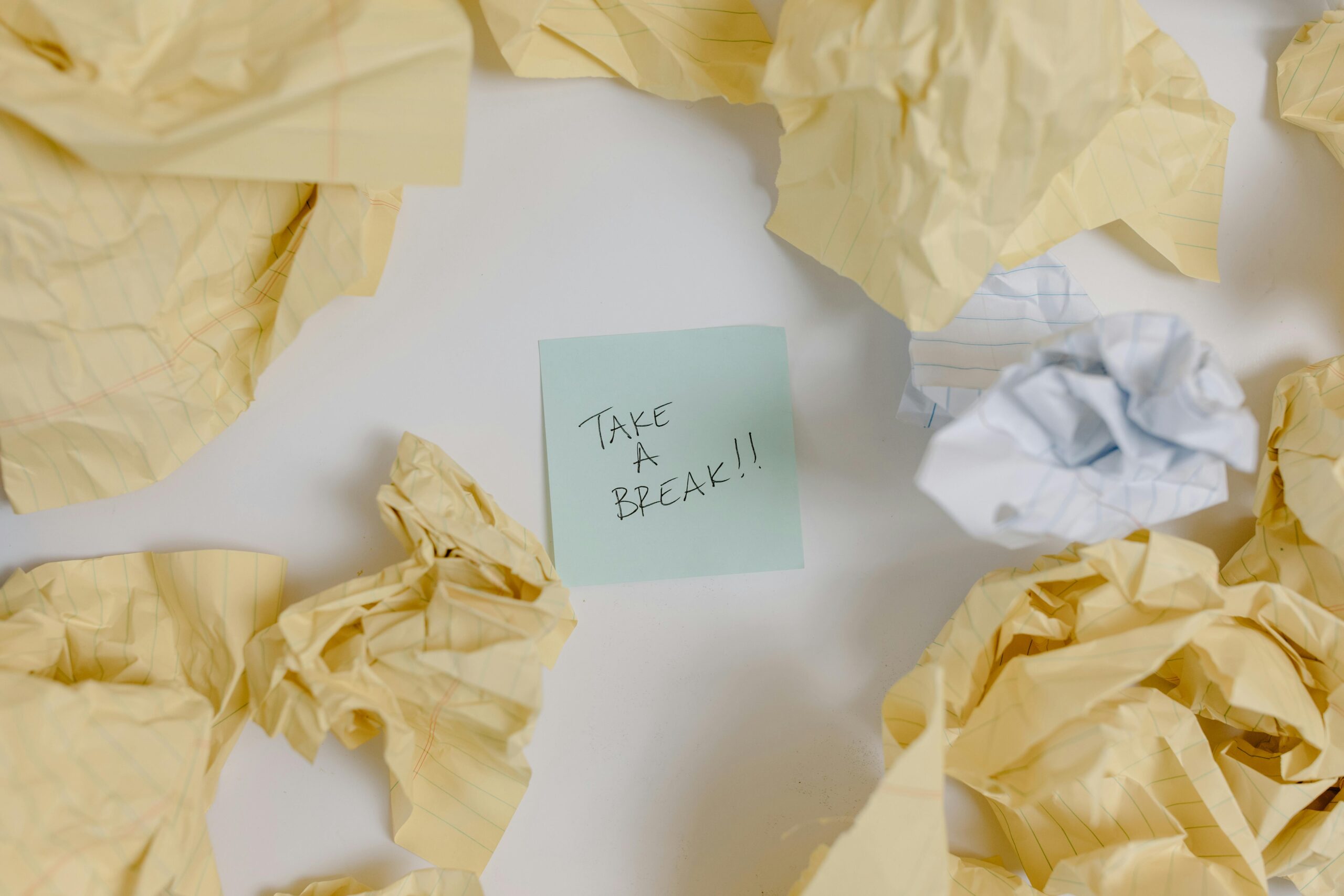
Micro-Recovery at Work: Small Daily Habits That Prevent Chronic Stress
Did you know that…
Work-related stress does not only come from heavy workloads or poor time management. It often builds up quietly through uninterrupted screen time, constant digital notifications, emotional strain, and the absence of short recovery moments during the working day. While traditional trainings and workshops are essential, research increasingly shows that small, well-timed interventions embedded into daily routines can play a key role in preventing chronic stress.
This is where micro-recovery and digital micro-interventions come in – short, focused actions that support mental well-being in the moment, rather than only after stress has accumulated.
What Is Micro-Recovery?
Micro-recovery refers to brief moments of physical, mental, or emotional reset integrated into the working day. These moments typically last between 30 seconds and 5 minutes and are designed to interrupt continuous strain, helping the body and mind return to a balanced state.
When delivered through digital tools such as mobile apps, notifications, or online platforms, these practices become low-barrier, accessible, and scalable, making them especially effective in modern hybrid and remote work environments.
The Science Behind Micro-Interventions
Scientific evidence increasingly supports the effectiveness of short, repeated well-being practices. Micro-interventions work by interrupting automatic stress responses and strengthening emotional self-regulation over time.
From a neuroscience perspective, these brief practices support neuroplasticity; the brain’s ability to form new neural pathways. Even short exercises like mindful breathing, reflection prompts, or gratitude practices can activate the prefrontal cortex (responsible for focus and emotional regulation) while reducing activity in the amygdala, the brain’s stress and threat centre (Fox et al., 2014; Tang, Hölzel, & Posner, 2015).
Breathing-based interventions also support the parasympathetic nervous system, increasing heart rate variability (HRV) which a key indicator of stress resilience (Lehrer et al., 2020). When practiced consistently, these micro-actions help reduce cognitive overload, improve emotional awareness, and strengthen a sense of control at work.
From Training to Daily Practice: The StressOut Approach
The StressOut project recognises that sustainable stress management does not happen only during trainings, it happens in everyday work moments. That is why StressOut combines educational resources with digital, practical tools, including the StressOut App, designed to support workers and organisations beyond the classroom. Digital micro-interventions help to:
- Reinforce learning from StressOut training modules through real-time prompts
- Encourage consistency, turning stress management into a daily habit
- Support self-awareness through short check-ins before stress escalates
- Adapt to individual needs, offering flexible and inclusive support
Micro-Interventions in Action
Here are examples of how micro-recovery can be applied in daily work life, many of which are reflected in the StressOut App and project resources:
Morning mindset prompt
→ “What’s one thing you’re looking forward to today?”
Helps start the day with intention and focus.
Midday reset
→ A 2-minute guided breathing exercise
Supports physiological stress reduction and mental clarity.
Digital boundary reminder
→ “Take 10 minutes away from screens – stretch, walk, or breathe.”
Encourages healthy digital habits in hybrid and remote work.
End-of-day reflection
→ “What was one challenge you managed today?”
Builds confidence, resilience, and emotional closure.
Integrating Micro-Recovery at Organisational Level
Organisations can embed micro-interventions into existing workflows using tools employees already rely on, such as calendars, internal communication platforms, or well-being portals. This normalises recovery as part of work, rather than an “extra task.” Practical integration methods include:
- Calendar-based “mental reset” moments after long meetings
- Slack or Teams reminder messages promoting posture checks or reflection
- Intranet banners with daily well-being prompts
- Onboarding journeys that introduce micro-recovery as part of company culture
- Short well-being challenges inspired by StressOut resources
The StressOut Employer Toolkit and Policy Report provide further guidance on creating supportive environments where these practices are welcomed and sustained.
What’s Next?
Micro-recovery will not remove workplace stress entirely, but it changes how people relate to it. By offering just-in-time tools for emotional regulation and mental reset, micro-interventions help prevent stress from becoming chronic.
The StressOut project encourages organisations and individuals to start small, experiment, and build sustainable habits over time. When combined with evidence-based training and supportive workplace cultures, micro-recovery becomes a powerful foundation for long-term well-being.
👉Explore the StressOut App, tools, and resources in the Resource Centre:
https://stressout-project.eu/resource-centre/