
Remote and Hybrid Work in 2025: Impacts on Mental Health and Work–Life Balance
How Constant Connectivity Affects Mental Health and Work-Life Balance
The widespread shift to remote and hybrid work has brought unprecedented flexibility – but it also blurs boundaries between work and personal life. Without a clear end to the workday, many employees now feel obliged to remain “always on,” checking email and chat messages around the clock. An EU study found that teleworkers frequently work during free time and struggle to disconnect, a situation linked to higher stress, anxiety and burnout risk. In effect, workers may do “soft” overtime – unpaid work beyond contracted hours – simply because digital devices keep them reachable at all hours. Experts warn that this “always-on” culture can erode work–life balance, leading to poor sleep and escalating stress. In short, while digital connectivity increases efficiency, it also creates pressure that can harm well-being.
Blurred Boundaries and Overwork
When the office is also the living room, it can be hard to log off. Studies show that remote work often blurs work–life boundaries, pressuring employees to work longer hours or evenings. For example, teleworkers report higher likelihood of working “during free time” and overtime. In practice, home workers may feel they must answer messages on weekends or late at night – a phenomenon sometimes called soft overtime. This overreach can undermine the personal downtime needed to recover. Eurofound research notes that such blurred boundaries and inability to disconnect are associated with higher levels of stress and burnout. In response, some experts advocate clear policies like a “right to disconnect,” where employees have defined offline hours. Companies can also encourage routines that mark an end to the workday (e.g. shutting down computers or silencing work apps) to help recreate the physical cues of leaving the office.
Digital Fatigue and Burnout
Constant screen exposure and video meetings can cause digital fatigue. Workers report that endless videoconferencing, instant messaging and multitasking drain their concentration and motivation. One review notes that excessive exposure to screens leads to cognitive overload, stress, and emotional. Indeed, surveys have documented “Zoom fatigue” and eye strain when meetings run long without. Over time, unchecked fatigue can tip into full burnout – a state of chronic exhaustion and cynicism. Burnout is now a leading challenge: one analysis found that heavy digital connectivity “leads to employees becoming mentally exhausted and unproductive”. Health workers, for instance, often report burnout linked to around‑the‑clock messaging and alerts. Burnout not only harms individuals but also harms organizations through lower engagement and higher turnover.
Recommendations for Healthy Connectivity
- Set Clear Digital Boundaries. Adopt policies like scheduled “offline” hours when employees are not expected to answer. For example, some companies encourage no-email times in evenings or weekends. Leaders should model this behavior by ending meetings on time and respecting personal hours.
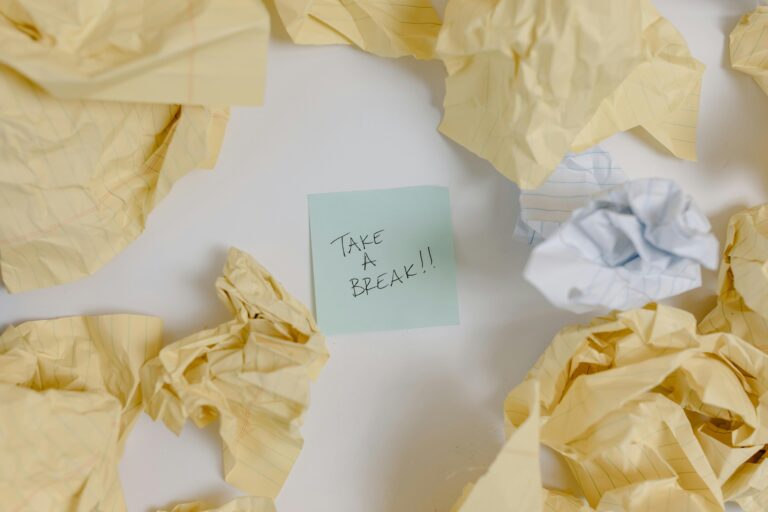
- Encourage Breaks and Downtime. Institute regular breaks away from screens. Studies show that taking short pauses and limiting meeting length significantly reduces digital fatigue. Simple practices like standing up, stretching or a quick walk can refresh focus. Employers can promote screen-free lunch breaks and physical activity to counter sedentary stress.
- Foster Social Connection. Counter isolation by scheduling brief team check-ins (not always work-related) and virtual social activities. Peer support groups or mentoring can help remote workers feel connected. Companies might also provide mental health resources and training on time-management and stress reduction, as recommended by wellbeing experts.
By proactively addressing these challenges, organizations can harness the benefits of digital work while protecting employees’ mental health and balance. Ultimately, thoughtful policies and an understanding culture — combined with individual self-care — will be key to ensuring that constant connectivity does not come at the expense of well-being.
About the StressOuts’ app
The pressures of constant connectivity, blurred boundaries, and digital fatigue don’t disappear when the workday ends — they often linger into our sleep, relationships, and overall health. That’s why individual tools for stress awareness and regulation are just as important as workplace policies.
StressOut is one such solution: a science-backed personal toolkit built on psychology and neuroscience. It helps users identify their stress triggers and develop practical strategies for reducing and managing stress in daily life. Whether it’s coping with immediate pressures, preventing burnout, or building healthier emotional habits, StressOut offers clear, straightforward guidance.
By focusing on small, consistent steps, the app empowers users to train their minds to handle stress more effectively. This daily practice doesn’t just improve wellbeing in the moment — it also helps protect against the long-term consequences of stress on the heart, brain, and body.
Available on both Android and iOS devices. Try it now!
Android: https://play.google.com/store/apps/details…
iOS: https://apps.apple.com/ph/app/stressout/id6738920238