


Ο Απρίλιος είναι ο μήνας ευαισθητοποίησης για το άγχος: Γιατί η ευαισθητοποίηση από μόνη της δεν μειώνει το άγχος
Γνωρίζατε ότι…
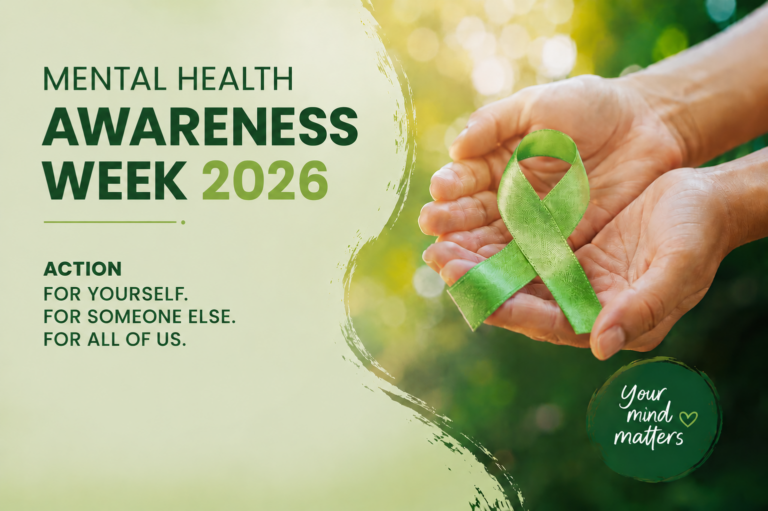
Ο Απρίλιος αναγνωρίζεται ως Μήνας Ευαισθητοποίησης για το Άγχος. Το φετινό θέμα, #BeTheChange, ενθαρρύνει άτομα και οργανισμούς να αναλάβουν πιο ενεργό ρόλο στη διαμόρφωση της ευημερίας.
Αλλά υπάρχει μια αυξανόμενη αποσύνδεση.
Οι άνθρωποι έχουν μεγαλύτερη επίγνωση του στρες από ποτέ — ωστόσο τα επίπεδα στρες δεν μειώνονται.
Σύμφωνα με πρόσφατα στοιχεία, σχεδόν 79% ενηλίκων βιώνουν τακτικά άγχος, και περισσότεροι από τους μισούς εργαζόμενους αναφέρουν συμπτώματα επαγγελματικής εξουθένωσης.
Σε παγκόσμιο επίπεδο, το Παγκόσμιο Οικονομικό Φόρουμ υπογραμμίζει ότι οι προκλήσεις της ψυχικής υγείας καθίστανται ένα από τα καθοριστικά ζητήματα υγείας της εποχής μας, καθώς ένας στους δύο ανθρώπους αναμένεται να βιώσει μια διαταραχή ψυχικής υγείας στη ζωή του.
Η επίγνωση, σαφώς, δεν είναι το πρόβλημα.
Πώς συσσωρεύεται το άγχος: Ήσυχα και συνεχώς
Το άγχος συχνά συνδέεται με μεγάλες προθεσμίες ή καταστάσεις υψηλής πίεσης. Στην πραγματικότητα, τείνει να αυξάνεται πολύ πιο σταδιακά.
Συσσωρεύεται μέσω των συνεχών ειδοποιήσεων, της αδιάλειπτης εργασίας και της απουσίας στιγμών ανάρρωσης κατά τη διάρκεια της ημέρας. Με την πάροδο του χρόνου, αυτό δημιουργεί μια κατάσταση συνεχούς ψυχικής και φυσιολογικής καταπόνησης.
Η επιστημονική έρευνα δείχνει ότι το στρες δεν είναι μόνο ψυχολογικό, αλλά έχει και μετρήσιμες επιπτώσεις στο σώμα. Ένας από τους πιο μελετημένους δείκτες είναι η μεταβλητότητα του καρδιακού ρυθμού (HRV), η οποία αντικατοπτρίζει το πόσο καλά προσαρμόζεται το σώμα στο στρες. Ο χαμηλότερος HRV συνδέεται σταθερά με υψηλότερα επίπεδα στρες και μειωμένη ανθεκτικότητα.
Με απλά λόγια, το άγχος δεν είναι μόνο κάτι που παρατηρούμε, είναι κάτι που το σώμα συνεχίζει να κουβαλάει, ακόμα και όταν προσπαθούμε να το αγνοήσουμε.
Γιατί η επίγνωση από μόνη της αποτυγχάνει
Αν η επίγνωση ήταν αρκετή, το άγχος θα είχε ήδη μειωθεί.
Αλλά το να γνωρίζουμε ότι είμαστε αγχωμένοι δεν αλλάζει αυτόματα τον τρόπο που συμπεριφερόμαστε εκείνη τη στιγμή. Υπό πίεση, οι περισσότεροι άνθρωποι επιστρέφουν σε αυτόματα μοτίβα, όπως η συνέχιση της εργασίας, η αναβολή των διαλειμμάτων και η αντιμετώπιση της κόπωσης.
Εδώ ακριβώς είναι που πολλές πρωτοβουλίες ευημερίας αποτυγχάνουν. Παρέχουν γνώσεις, αλλά όχι πάντα πρακτική, άμεση υποστήριξη.
Και εκεί ακριβώς αναπτύσσεται το άγχος.
Ο χαμένος κρίκος: Ανάρρωση κατά τη διάρκεια της εργάσιμης ημέρας
Ένα από τα πιο παραβλεπόμενα στοιχεία στη διαχείριση του στρες είναι η ανάρρωση, και όχι μετά τη δουλειά, αλλά κατά τη διάρκειά της.
Έρευνες δείχνουν ότι οι τακτικές περίοδοι ανάρρωσης είναι απαραίτητες για τη ρύθμιση των αντιδράσεων στο στρες. Χωρίς αυτές, το στρες συσσωρεύεται και γίνεται πιο δύσκολο να αντιστραφεί με την πάροδο του χρόνου.
Ακόμα και οι σύντομες παρεμβάσεις μπορούν να κάνουν τη διαφορά. Μελέτες σε αυτοκαθοδηγούμενες πρακτικές όπως η ενσυνειδητότητα, η αναπνοή και η σωματική δραστηριότητα δείχνουν μετρήσιμες μειώσεις στο στρες, το άγχος και τα σχετικά συμπτώματα, ακόμη και όταν εφαρμόζονται σε σύντομες, προσβάσιμες μορφές.
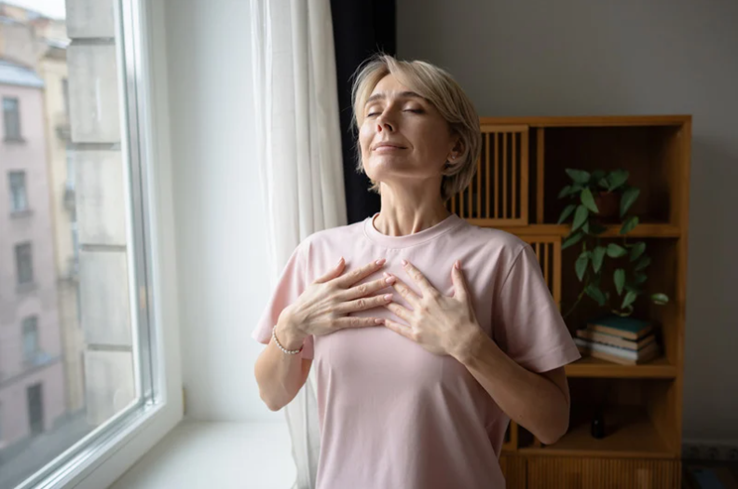
Αυτός είναι ο λόγος για τον οποίο μικρές, επαναλαμβανόμενες ενέργειες όπως η παύση, η αναπνοή και το βήμα μακριά τραβούν την προσοχή. Διακόπτουν το άγχος πριν αυτό κλιμακωθεί.
Μια αλλαγή στον τρόπο που κατανοούμε την ευημερία
Οι πρόσφατες έρευνες και οι τεχνολογικές εξελίξεις αλλάζουν τον τρόπο με τον οποίο προσεγγίζουμε το άγχος.
Αντί να εστιάζουμε μόνο σε μεγάλες παρεμβάσεις, δίνεται αυξανόμενη έμφαση στην επίγνωση σε πραγματικό χρόνο και στις μικροπροσαρμογές. Μελέτες που χρησιμοποιούν φορητή τεχνολογία δείχνουν ότι το άγχος μπορεί να ανιχνευθεί και να παρακολουθείται συνεχώς, ανοίγοντας τον δρόμο για πιο έγκαιρες και εξατομικευμένες αντιδράσεις.
Αυτό αντικατοπτρίζει μια ευρύτερη μετατόπιση: η ευημερία δεν θεωρείται πλέον ως κάτι που αντιμετωπίζεται περιστασιακά, αλλά ως κάτι που διαμορφώνεται συνεχώς καθ' όλη τη διάρκεια της ημέρας.
Κανονικοποίηση της υποστήριξης
Ένα άλλο σημαντικό μέρος του #BeTheChange αναγνωρίζει πότε χρειάζεται υποστήριξη.
Παρά την αυξανόμενη ευαισθητοποίηση, πολλοί άνθρωποι εξακολουθούν να διστάζουν να ζητήσουν βοήθεια. Ωστόσο, η πρόσβαση στην υποστήριξη έχει εξελιχθεί σημαντικά τα τελευταία χρόνια.
Οι ψηφιακές πλατφόρμες όπως το BetterHelp έχουν κάνει την επαγγελματική υποστήριξη πιο ευέλικτη και προσβάσιμη, επιτρέποντας στα άτομα να συνδέονται με αδειοδοτημένους θεραπευτές εξ αποστάσεως. Αν και αυτή δεν είναι η μόνη λύση, υπογραμμίζει μια σημαντική αλλαγή: η υποστήριξη γίνεται ευκολότερη στην πρόσβαση και περιορίζεται λιγότερο από τα παραδοσιακά εμπόδια.
Η αναζήτηση βοήθειας δεν αποτελεί πλέον εξαίρεση. Είναι μέρος της διατήρησης της ευεξίας.
Η Οργανωτική Ευθύνη
Είναι σημαντικό να αναγνωρίσουμε ότι το άγχος δεν είναι αποκλειστικά ατομικό ζήτημα.
Οι συνθήκες στον χώρο εργασίας διαδραματίζουν σημαντικό ρόλο. Παγκόσμια δεδομένα δείχνουν ότι το άγχος στον χώρο εργασίας έχει αυξηθεί με την πάροδο του χρόνου, με σημαντικό ποσοστό εργαζομένων να αναφέρει καθημερινό άγχος τα τελευταία χρόνια.
Οι υψηλές απαιτήσεις, η συνεχής διαθεσιμότητα και οι περιορισμένες ευκαιρίες ανάρρωσης δημιουργούν περιβάλλοντα όπου το άγχος είναι σχεδόν αναπόφευκτο.
Αυτό σημαίνει ότι οι οργανισμοί έχουν την ευθύνη, όχι μόνο να ευαισθητοποιήσουν το κοινό, αλλά και να σχεδιάσουν την εργασία με τρόπο που να επιτρέπει την ανάκαμψη. Μικρές διαρθρωτικές αλλαγές, όπως η προσθήκη διαλειμμάτων ή η μείωση των περιττών διακοπών, μπορούν να έχουν σημαντικό αντίκτυπο με την πάροδο του χρόνου.
Από την Επίγνωση στη Δράση
Ο Μήνας Ευαισθητοποίησης για το Άγχος είναι μια σημαντική υπενθύμιση. Δεν πρέπει να περιορίζεται στην αναγνώριση.
Αν #BeTheChange σημαίνει οτιδήποτε, πρέπει να μεταφράζεται σε καθημερινή συμπεριφορά.
Αυτό δεν απαιτεί δραματική μεταμόρφωση. Ξεκινά με μικρές, συνεπείς ενέργειες: παύσεις μεταξύ εργασιών, αναγνώριση ορίων ή αναζήτηση υποστήριξης όταν χρειάζεται.
Αυτές οι ενέργειες μπορεί να φαίνονται ασήμαντες. Αλλά με την πάροδο του χρόνου, αλλάζουν τον τρόπο με τον οποίο αναπτύσσεται το άγχος και τον τρόπο με τον οποίο διαχειρίζεται.
Κοιτάζοντας μπροστά
Το άγχος θα είναι πάντα μέρος της σύγχρονης ζωής.
Αλλά το χρόνιο στρες δεν χρειάζεται να είναι.
Αν υπάρχει ένα συμπέρασμα από το φετινό θέμα, είναι το εξής: η επίγνωση είναι μόνο το σημείο εκκίνησης. Αυτό που έχει σημασία είναι τι κάνουμε με αυτήν, λεπτό προς λεπτό, καθ' όλη τη διάρκεια της ημέρας.
Το έργο StressOut ενθαρρύνει οργανισμούς και άτομα να ξεκινήσουν μικρά βήματα, να πειραματιστούν και να οικοδομήσουν βιώσιμες συνήθειες με την πάροδο του χρόνου. Όταν συνδυάζεται με εκπαίδευση βασισμένη σε τεκμηριωμένα στοιχεία και υποστηρικτικές κουλτούρες στον χώρο εργασίας, η μικρο-ανάκαμψη γίνεται ένα ισχυρό θεμέλιο για μακροπρόθεσμη ευημερία.
👉 Εξερευνήστε την εφαρμογή StressOut, τα εργαλεία και τους πόρους στο Κέντρο Πόρων:
https://stressout-project.eu/resource-centre/