

Πάντα online, ποτέ off: Πώς η συνεχής συνδεσιμότητα τροφοδοτεί το άγχος στον χώρο εργασίας
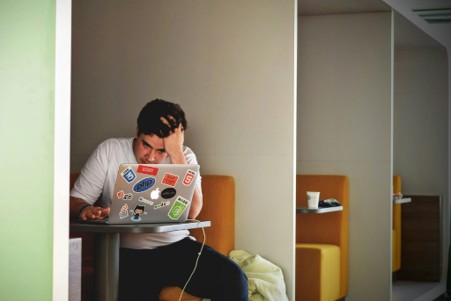
Ο ψηφιακός μετασχηματισμός του χώρου εργασίας έχει φέρει αναμφισβήτητα οφέλη, επιτρέποντας μεγαλύτερη ευελιξία, ταχύτερη επικοινωνία και αυξημένη συνεργασία μεταξύ ομάδων και ζωνών ώρας. Ωστόσο, οι ίδιες τεχνολογίες που έχουν βελτιώσει την παραγωγικότητα έχουν δημιουργήσει και μια νέα πρόκληση: την προσδοκία συνεχούς διαθεσιμότητας. Τα email, οι πλατφόρμες άμεσων μηνυμάτων, τα εργαλεία διαχείρισης έργων και τα smartphone έχουν θολώσει τα όρια μεταξύ εργασίας και προσωπικής ζωής, καθιστώντας ολοένα και πιο δύσκολο για τους εργαζομένους να αποσυνδεθούν πραγματικά.
Ενώ η διατήρηση της σύνδεσης μπορεί να βελτιώσει την ανταπόκριση, το να είναι κανείς “πάντα ενεργός” έχει σημαντικό κόστος. Έρευνες έχουν δείξει ότι οι εργαζόμενοι που αισθάνονται υποχρεωμένοι να ανταποκρίνονται σε επικοινωνίες που σχετίζονται με την εργασία εκτός των ωρών εργασίας βιώνουν υψηλότερα επίπεδα στρες, συναισθηματικής εξάντλησης και σύγκρουσης επαγγελματικής και προσωπικής ζωής (Eurofound & Διεθνές Γραφείο Εργασίας, 2017). Ακόμα και όταν οι εργαζόμενοι δεν εργάζονται ενεργά, η προσμονή των εισερχόμενων μηνυμάτων ή η πίεση να παραμείνουν διαθέσιμοι μπορούν να αποτρέψουν την ψυχολογική αποσύνδεση - την ικανότητα ψυχικής αποσύνδεσης από την εργασία κατά τις μη εργάσιμες ώρες.
Η ψυχολογική αποστασιοποίηση είναι απαραίτητη για την ανάρρωση από τις καθημερινές απαιτήσεις της εργασίας. Σύμφωνα με ερευνητές επαγγελματικής υγείας, οι περίοδοι ανάρρωσης επιτρέπουν στα άτομα να αναπληρώσουν τους γνωστικούς και συναισθηματικούς τους πόρους, βελτιώνοντας τη συγκέντρωση, τη δημιουργικότητα, την ανθεκτικότητα και τη συνολική ευεξία. Χωρίς επαρκή ανάρρωση, συσσωρεύεται χρόνιο στρες, αυξάνοντας τον κίνδυνο επαγγελματικής εξουθένωσης, άγχους, διαταραχών ύπνου, καρδιαγγειακών προβλημάτων και μειωμένης απόδοσης στην εργασία (Παγκόσμιος Οργανισμός Υγείας, 2022).
Η άνοδος της υβριδικής και της εξ αποστάσεως εργασίας έχει περιπλέξει περαιτέρω αυτό το ζήτημα. Οι ευέλικτες εργασιακές ρυθμίσεις έχουν δώσει τη δυνατότητα σε πολλούς εργαζομένους να εξισορροπήσουν καλύτερα τις επαγγελματικές και τις προσωπικές τους ευθύνες. Ωστόσο, έχουν επίσης παρατείνει την εργάσιμη ημέρα για ορισμένους, με πολλούς εργαζομένους να ελέγχουν τα email νωρίς το πρωί, τα βράδια ή ακόμα και τα Σαββατοκύριακα. Αυτό το φαινόμενο, που συχνά αναφέρεται ως “κουλτούρα πάντα διαθέσιμης εργασίας”, μπορεί σταδιακά να δημιουργήσει μη ρεαλιστικές προσδοκίες σχετικά με την ανταπόκριση και την παραγωγικότητα.
Οι οργανισμοί διαδραματίζουν κρίσιμο ρόλο στην αντιμετώπιση αυτής της πρόκλησης. Η καθιέρωση σαφών κανόνων επικοινωνίας —όπως ο σεβασμός του ωραρίου εργασίας, ο προγραμματισμός email κατά τη διάρκεια του ωραρίου εργασίας και η ενθάρρυνση των εργαζομένων να κάνουν τακτικά διαλείμματα— μπορεί να βοηθήσει στη δημιουργία πιο υγιεινών εργασιακών περιβαλλόντων. Ορισμένοι οργανισμοί έχουν επίσης εισαγάγει πολιτικές “δικαίου αποσύνδεσης”, αναγνωρίζοντας την ανάγκη των εργαζομένων να αποσυνδέονται από την εργασία εκτός των συμβατικών ωρών χωρίς φόβο αρνητικών συνεπειών.
Οι εργαζόμενοι μπορούν επίσης να λάβουν προληπτικά μέτρα για να προστατεύσουν την ευημερία τους. Ο καθορισμός ορίων μέσω της απενεργοποίησης των ειδοποιήσεων εργασίας μετά το ωράριο, της δημιουργίας ενός ειδικού χώρου εργασίας κατά την εξ αποστάσεως εργασία, του προγραμματισμού αδιάλειπτων περιόδων εστίασης και της σαφούς επικοινωνίας της διαθεσιμότητας με τους συναδέλφους αποτελούν πρακτικές στρατηγικές που υποστηρίζουν πιο υγιεινές εργασιακές συνήθειες. Εξίσου σημαντικό είναι να αφιερώνετε χρόνο για δραστηριότητες που προάγουν την ανάρρωση, όπως η άσκηση, τα χόμπι, η κοινωνική αλληλεπίδραση και ο επαρκής ύπνος.
Τελικά, η ίδια η τεχνολογία δεν αποτελεί την πηγή του στρες στον χώρο εργασίας. Αντίθετα, ο τρόπος με τον οποίο ενσωματώνεται στην κουλτούρα του χώρου εργασίας είναι αυτός που καθορίζει εάν υποστηρίζει την ευημερία των εργαζομένων ή συμβάλλει στο χρόνιο στρες. Καθώς οι οργανισμοί συνεχίζουν να υιοθετούν τον ψηφιακό μετασχηματισμό, η καλλιέργεια μιας κουλτούρας που εκτιμά τόσο την παραγωγικότητα όσο και την ανάκαμψη θα είναι απαραίτητη. Η βιώσιμη απόδοση δεν εξαρτάται από τη συνεχή σύνδεση, αλλά από τη διασφάλιση ότι οι εργαζόμενοι έχουν την ευκαιρία να αποσυνδεθούν, να επαναφορτιστούν και να επιστρέψουν στην εργασία με ανανεωμένη ενέργεια και συγκέντρωση.
Αναφορές
- Eurofound και Διεθνές Γραφείο Εργασίας. (2017). Εργασία οποτεδήποτε, οπουδήποτε: Οι επιπτώσεις στον κόσμο της εργασίας. Γραφείο Εκδόσεων της Ευρωπαϊκής Ένωσης και Διεθνές Γραφείο Εργασίας.
- Παγκόσμιος Οργανισμός Υγείας. (2022). Κατευθυντήριες γραμμές του ΠΟΥ για την ψυχική υγεία στην εργασία. Παγκόσμιος Οργανισμός Υγείας.
- Sonnentag, S., & Fritz, C. (2015). Ανάρρωση από το εργασιακό άγχος: Το μοντέλο αποσύνδεσης από τον παράγοντα άγχους ως ένα ολοκληρωμένο πλαίσιο. Περιοδικό Οργανωσιακής Συμπεριφοράς, 36(S1), S72–S103. https://doi.org/10.1002/job.1924
- Αμερικανική Ψυχολογική Εταιρεία. (2023). Έρευνα για την εργασία στην Αμερική: Οι χώροι εργασίας ως κινητήριες δυνάμεις ψυχικής υγείας και ευεξίας. Αμερικανική Ψυχολογική Εταιρεία.